Key Takeaways
- Foundayo® and Zepbound® both mimic GLP-1, but they differ in form and mechanism. Foundayo® is a once-daily pill that mimics GLP-1 only, while Zepbound® is a weekly injection that also targets GIP.
- Zepbound® showed greater weight loss in separate trials. Zepbound® averaged 20.9% at its top dose versus 11.2% for Foundayo®, though the two haven’t been compared head-to-head.
- The right choice depends on preference, health conditions, and cost. Foundayo® can be taken any time, with or without food, and costs less, while Zepbound® is also approved for sleep apnea.
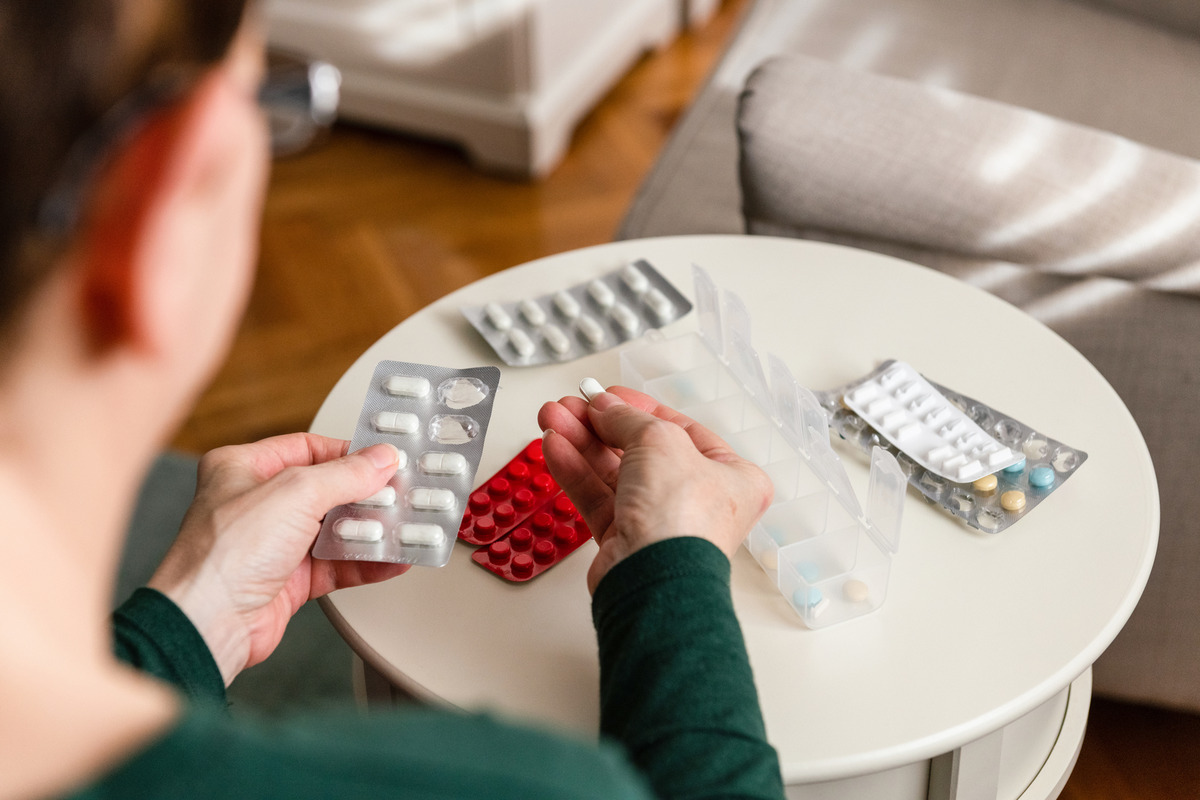
When Zepbound® (tirzepatide) was approved for chronic weight management in 2023, it quickly became one of the most effective weight loss medications available. Now there’s a new option from the same drugmaker. In April 2026, the FDA approved Foundayo® (orforglipron), a daily pill for people who’d rather not take a weekly injection.
Both medications belong to the broader class of glucagon-like peptide-1 receptor agonists (GLP-1 RAs), but they work differently. Foundayo® is a once-daily oral single-agonist, while Zepbound® is a weekly injectable dual agonist.
Wondering how their mechanisms, effectiveness, and FDA approvals stack up against each other? Read on as we break down Foundayo® versus Zepbound® for weight loss.
How Foundayo® and Zepbound® work
While Foundayo® and Zepbound® have different active ingredients, both mimic a hormone your body naturally produces called glucagon-like peptide-1 (GLP-1). This means they bind to and activate GLP-1 receptors in your body, producing multiple effects:
- Insulin secretion: When blood sugar rises after eating, GLP-1 prompts the pancreas to release insulin. This allows your cells to absorb sugar from the bloodstream to use for energy.
- Glucagon suppression: Glucagon is a hormone that prompts the liver to release stored blood sugar into your bloodstream to keep energy up between meals. GLP-1 suppresses glucagon production, preventing the liver from adding extra unneeded sugar to your system.
- Appetite suppression: GLP-1 travels through the bloodstream and communicates with the hunger center of your brain (hypothalamus). It dampens hunger cues and enhances post-meal satisfaction.
- Delayed gastric emptying: GLP-1 slows the rate of gastric emptying, meaning food stays in your stomach for longer after meals.This helps keep you feeling fuller for longer.
Foundayo®’s structure
Most GLP-1 RAs are peptides, which are short chains of amino acids. Peptide medicines tend to break down during digestion, before they reach your bloodstream. To give these drugs the best chance of getting into your system, other oral GLP-1 RAs like the Wegovy® pill and Rybelsus® have strict administration requirements. Wegovy®’s medicine label recommends taking the pill in the morning on an empty stomach with water. After swallowing the tablet, it suggests waiting 30 minutes before eating or drinking anything else. The same timeline applies to taking more medications.
This regimen doesn’t work for everyone’s schedule, which is why pharmaceutical companies started looking for an alternative. Eli Lilly found it with Foundayo®. This drug is a non-peptide, small-molecule formula, so it’s less likely to break down on the way to your bloodstream. As a result, patients on Foundayo® can take the pill at any time of day, with or without food.
What Zepbound® adds: GIP
Foundayo® only mimics GLP-1. However, Zepbound® is a dual agonist. It mimics GLP-1 and a second hormone called glucose-dependent insulinotropic polypeptide (GIP). Just like GLP-1, GIP stimulates the pancreas to release insulin when blood sugar rises after a meal. It also:
- Compounds insulin response: GIP uses a slightly different cellular pathway than GLP-1. Because of this, activating both hormones simultaneously creates a more robust insulin boost that better handles blood sugar spikes.
- Improves insulin sensitivity: Because GIP receptors are heavily concentrated in fat tissue, GIP helps your body process and store lipids more efficiently. This removes fat from the bloodstream and keeps excess out of muscle and liver cells. By doing this, GIP prevents toxic lipid accumulation that normally blocks insulin signals, allowing cells to respond to insulin and clear glucose efficiently.
Side-by-side comparison
Here’s how both medications compare:
Foundayo® vs. Zepbound®: Weight loss outcomes
No clinical trial has compared Zepbound® and Foundayo® for weight loss directly, so these aren’t one-to-one results. But both medications have undergone individual pivotal trials (ATTAIN-1 and SURMOUNT-1) to test their efficacy. Here are the outcomes.
Foundayo® (orforglipron) for weight loss∆: ATTAIN-1
ATTAIN-1, a 2025 study published in The New England Journal of Medicine, evaluated 3,127 patients over a 72-week period. The trial tested orforglipron oral capsules across four dosage groups: 6 mg, 12 mg, 36 mg, or a placebo.
Here’s how much weight participants lost, on average:
Note that the ATTAIN-1 doses differ numerically from Foundayo’s® commercial oral tablet maintenance doses. For example, Foundayo’s® 17.2 mg dose is bioequivalent to the 36 mg dose tested in ATTAIN-1. This is because the retail tablet was redesigned to absorb more efficiently, so a lower milligram dose is needed to deliver the same benefit.
Zepbound® (tirzepatide) for weight loss: SURMOUNT-1
SURMOUNT-1, a 2022 study also published in The New England Journal of Medicine, enrolled 2,539 participants over a 72-week period. Researchers assigned participants to receive tirzepatide at 5 mg, 10 mg, 15 mg, or a placebo.
Here are the average weight loss outcomes across groups:
Unlike ATTAIN-1, the trial doses used in SURMOUNT-1 align directly with Zepbound’s® FDA-approved commercial maintenance doses.
Foundayo® vs. Zepbound®: Side effects and risks
Foundayo® and Zepbound® can both cause side effects. Gastrointestinal side effects are the most common for both, including:
- Nausea
- Diarrhea
- Vomiting
- Constipation
- Indigestion
- Stomach pain
Most side effects are short-lived and mild-to-moderate in nature. They commonly arise early in treatment and following dose increases.
Contraindications
A contraindication is a condition or circumstance that makes a medication unsafe for you. Foundayo®’s and Zepbound®’s contraindications overlap. If any of these apply to you, your doctor will recommend an alternative:
- A history (personal or family) of medullary thyroid carcinoma (MTC) or multiple endocrine neoplasia type 2 (MEN 2)
- Serious hypersensitivity to any of Foundayo® or Zepbound’s® ingredients
Boxed warnings
Boxed warnings are reserved for a product’s most serious, life-threatening risks. Zepbound® has a boxed warning about the risk of thyroid C-cell tumors. This comes from animal studies; in rats, tirzepatide causes tumors. Researchers are unsure whether this concern applies to humans, so they’ve included a boxed warning just in case.
Foundayo® has the same boxed warning, but orforglipron didn’t produce tumors in rats. Still, the warning is present out of an abundance of caution. Patients with a personal or family history of MTC or MEN 2 shouldn’t take these medications. Your doctor will screen for this risk before prescribing either GLP-1 RA.
How much do Foundayo® and Zepbound® cost?
Foundayo® and Zepbound® are both widely available in the United States by prescription. Self-pay options vary, but here are the averages:
- Foundayo® self-pay costs: $149 to $349 per month
- Zepbound® self-pay costs: $299 to $699 per month
Insurance and savings programs may reduce the price. Certain savings programs offered by Eli Lilly can lower the price of Foundayo® and Zepbound® to as little as $25 per month. Our team at Maven Clinic can help you understand your options. If you’re ineligible for coverage, we offer FDA-approved GLP-1 RAs at no markup.
Choosing between Foundayo® and Zepbound®: What to consider
Deciding which medication is right for you is a conversation to have with your doctor. They’ll evaluate your medical history, personal goals, and routine, focusing on these key factors:
- Delivery method preference: How you take the medication matters for consistency. Foundayo® is a portable once-daily oral tablet without restrictions on timing, food, or other medication use. Zepbound® is a weekly subcutaneous injection. Your personal comfort with pills versus injections, as well as dosing frequency, will guide this choice.
- Co-occurring health conditions: The FDA also approves Zepbound® to treat moderate-to-severe OSA in adults with a BMI of 30 or greater. If you have this condition, Zepbound® may be a better fit for your overall care plan.
- Tolerability: Both options share similar side effect profiles (like nausea or constipation), but individual tolerance varies from person to person. Your doctor may recommend one option over the other depending on your needs.
- Risk profile: While both medications are effective, they carry distinct safety profiles and ingredient lists. An allergy to active or inactive ingredients in one medication may disqualify it from your care plan. Your doctor will look at your full health profile to assess safety.
- Insurance coverage: Insurance formularies, prior authorization rules, and out-of-pocket costs vary between plans. Your insurance coverage may influence which medication is more practically accessible.
Personalized, evidence-based GLP-1 care
Navigating weight loss medications requires nuanced guidance that looks at your full health picture. At Maven Clinic, our specialists evaluate everything from your medical history and lifestyle to insurance hurdles and long-term wellness goals to tailor a care plan built specifically for you.
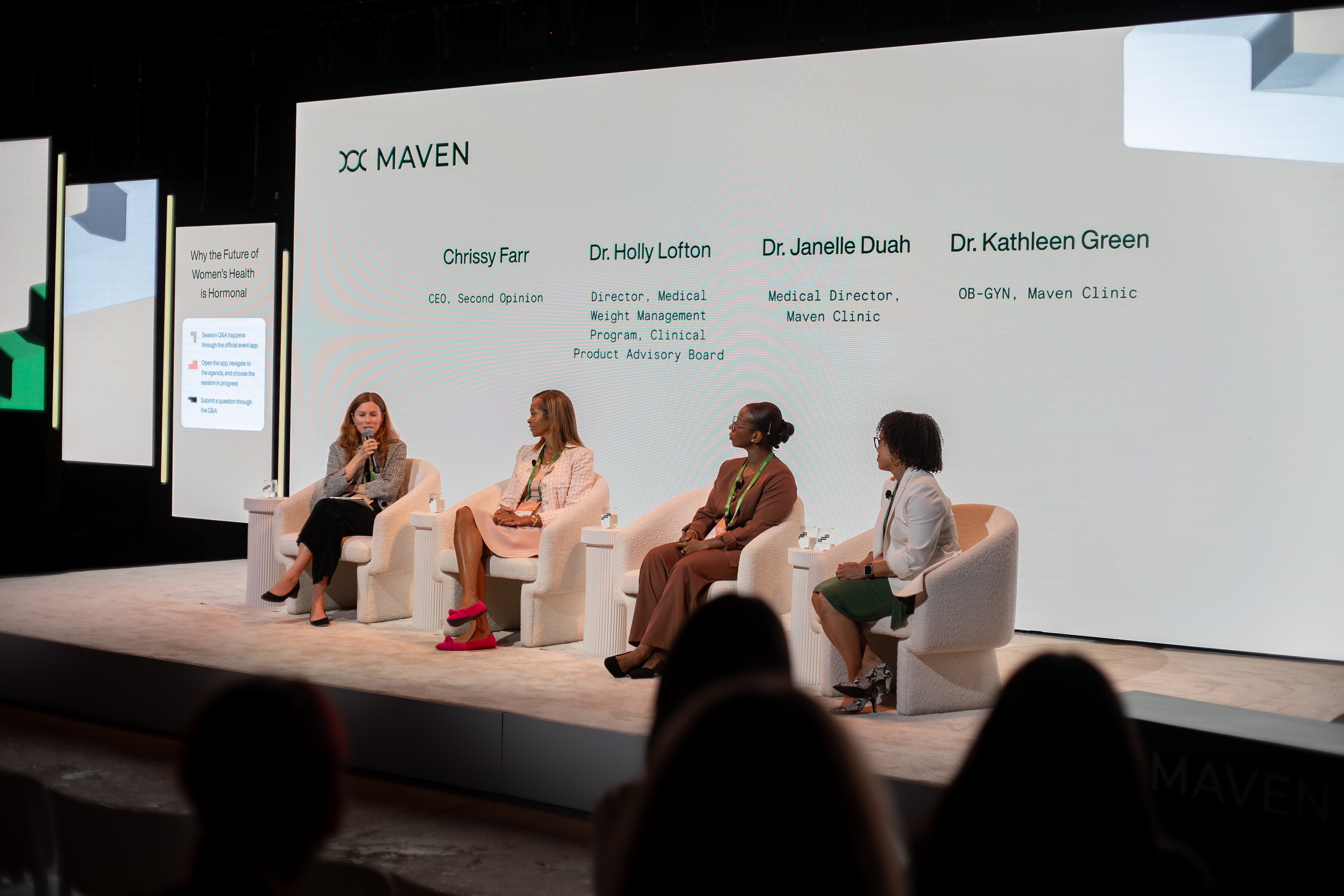
As our Medical Director, Dr. Janelle Duah, MD, explains,“Our clinicians take the time to really understand your experience, so every evidence-based recommendation actually makes sense for you.”
If you’re looking for more than just a prescription, discover our approach to GLP-1 care.

"There's so much noise online, and I wanted someone I could actually trust. With Maven, I understood my options, why I was taking what I was taking, and what to expect before I ever started. It felt clear from day one."

"I tried a GLP-1 through another service first. Got the prescription, got nothing else. I'm in my late 40s, my body was changing, and I was asking AI my follow-up questions. Maven was the first time I had a clinician who knew what was going on with me and helped me feel like me again."

"My clinician covered things I hadn't thought to ask, like how GLP-1s can affect birth control. I felt like I was making an informed decision instead of just following a trend."