Key Takeaways
- Orforglipron and semaglutide both mimic GLP-1 but differ in structure. Orforglipron is a small-molecule pill, while semaglutide is a peptide typically injected or specially formulated for oral use.
- Weight loss results vary by drug and delivery method. Semaglutide drives over 15% average weight loss, while orforglipron ranges from 7.5-11% depending on dose.
- Choosing between them depends on routine and medical guidance. Pills offer needle-free convenience, while injections mean less frequent dosing.
In April 2026, the FDA approved a new glucagon-like peptide-1 receptor agonist (GLP-1 RA). This new GLP-1 medicine is called orforglipron, and its brand name is Foundayo®. Doctors prescribe this daily oral GLP-1 for weight loss to help eligible adults lose weight.
Orforglipron joins semaglutide, tirzepatide, liraglutide, and dulaglutide to round out the available GLP-1 RAs. Currently, only orforglipron and semaglutide offer oral versions; the other GLP-1 RAs only come as weekly injections. You can find oral semaglutide under the brand names Rybelsus®, Ozempic®, and Wegovy®.
If you’re considering a weight loss pill, read on as we compare orforglipron versus semaglutide. We’ll cover how both daily pills work, how much weight people lose, and how to take them.
How do orforglipron and semaglutide work?
When choosing a weight loss pill, it helps to understand what it does in your body. Here’s a comparison of both active ingredients.
Similarities: How they copy your hormones
Both orforglipron and semaglutide belong to a class of drugs called GLP-1 RAs. They mimic a natural gut hormone in your body called GLP-1.
When you eat, your gut naturally releases GLP-1 to process the nutrients from your meal. These medications mimic that hormone but stay in your system much longer. Your natural GLP-1 hormone clears out of your body in around two minutes. In contrast, orforglipron lasts for up to two days, and semaglutide lasts for a full week.
By staying active in your body, both drugs prolong these key processes:
- Insulin secretion: When your blood sugar (glucose) levels climb after a meal, your pancreas releases insulin. These drugs signal your pancreas to release more insulin to move sugar out of your blood and into your cells, which use glucose for energy.
- Glucagon suppression: Your pancreas releases a hormone called glucagon when you haven’t eaten in a while. This forces your liver to dump stored sugar into your blood. GLP-1 RAs block glucagon to stop your liver from releasing unneeded sugar, keeping your blood levels more stable.
- Gastric emptying: These drugs slow down your digestion by delaying the time it takes for food to leave your stomach. This leaves you feeling physically fuller for longer.
- Satiety: The medicine travels to your brain’s appetite center and tells it you’re full. This slows down the urge to eat and helps you feel satisfied with smaller portions.
- Craving suppression: The drug alters reward pathways in your brain to actively reduce food cravings. This minimizes the mental impulse to snack or seek out specific high-calorie foods.
Differences: Small molecules vs. large peptides
The main difference between orforglipron and semaglutide is how scientists build the drugs. Their physical structure changes how your body absorbs them:
- Orforglipron is a synthetic small-molecule compound. It has a simple, compact structure. Because it’s small and sturdy, it easily survives your harsh stomach acids. Your digestive tract absorbs it quickly and sends it right into your blood stream.
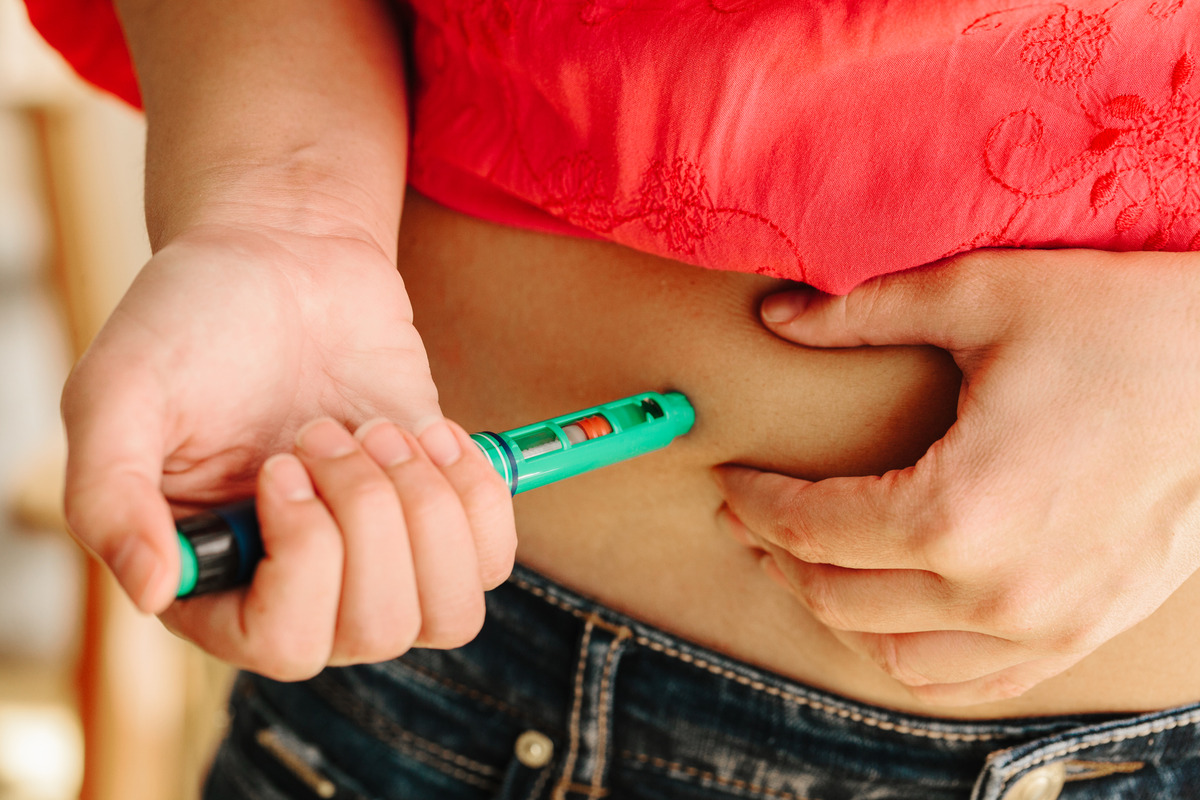
- Semaglutide is a synthetic peptide, which means it’s a chain of amino acids. Because your stomach treats amino acid chains exactly like a piece of food, your digestive enzymes and stomach acids try to break it down and destroy it. Semaglutide is usually given as an injection to bypass the stomach entirely.
To help it survive in the stomach, scientists created the oral semaglutide pill Rybelsus®. It has a protective chemical shield (called SNAC) to neutralize stomach acid and force the drug into your blood. The manufacturer recently reformulated Rybelsus® to make it smaller and easier to absorb, and they rebranded it as the Ozempic® pill in the U.S.
The FDA approves orforglipron and semaglutide for different medical uses. Here’s how they break down:
Semaglutide vs. orforglipron: Side effects and safety
Because both semaglutide and orforglipron work on the same gut hormones, they cause similar side effects. Most of these symptoms are mild and go away after a few weeks as your body adjusts to the medication.
Common side effects
The most common side effects of GLP-1 medications are gastrointestinal. These include nausea, vomiting, and constipation. These symptoms are typically most pronounced when starting treatment or immediately after increasing a dose. They usually improve over time as your body adjusts. If you feel sick to your stomach, your doctor can slow down the dosage escalation schedule, bring you down to a lower dose, or prescribe anti-nausea medication to manage the symptoms.
When side effects require medical attention
Serious health problems are rare, but they do happen. Contact your healthcare provider or seek emergency medical care if you notice any of these dangerous warning signs:
- Allergic reaction (swelling, difficulty breathing, or rash)
- Impaired vision
- Signs of pancreas inflammation (persistent and severe stomach pain)
- Dehydration (confusion, dizziness, or dark urine)
Are compounded versions effective?
Healthcare providers generally recommend avoiding compounded versions of semaglutide and orforglipron to protect patient safety.
Compounding pharmacies mix their own versions of these medications to bypass manufacturing shortages or offer lower-cost options. While the FDA allows compounding under specific shortage conditions, the agency doesn’t review or approve these customized drugs for safety, purity, or efficacy.
Beyond the lack of federal oversight, alternative formulations carry risks of dosing inaccuracies and counterfeit or mislabeled products. Compounding pharmacies mix these medications manually, which increases the risk of doses that are too low to work effectively or dangerously high, triggering gastrointestinal toxicity. Furthermore, the high demand for these medications fuels an underground market for counterfeit sellers. Unverified online sources frequently sell products containing the wrong active ingredient or no active medication at all, while posing serious contamination risks.
If your doctor decides a compounded version is the best choice for your specific medical needs, only use a state licensed and accredited compounding pharmacy. This may be a good choice for you if you have a severe allergy to an inactive ingredient in a brand name formulation. Otherwise, stick to the official medications from a licensed pharmacy to protect your health.
Oral vs. injectable GLP-1 RAs: How do they compare?
The biggest difference between a weight loss pill and a weekly injection comes down to absorption (bioavailability).
When you inject semaglutide, your body absorbs 89% of the active ingredient. When you swallow an orforglipron pill, your body absorbs 30–40%. This is why you take oral GLP-1 RAs daily versus injectables weekly. It’s also why oral maintenance doses tend to be higher.
Are oral GLP-1 RAs effective?
Yes. Clinical trials show that daily pills are a viable alternative to injections:
Menopause care: How active ingredients impact symptoms
GLP-1 RAs aren’t first-line menopause therapies. They don’t address the underlying hormonal shifts that drive symptoms. However, these drugs offer indirect support through weight management—a benefit that varies depending on the specific active ingredient chosen.
During menopause, hormonal fluctuations often cause sudden weight gain. Managing this weight during menopause provides downstream benefits, too. Carrying extra weight traps heat and makes hot flashes worse. Losing weight cools the body down. Studies show that postmenopausal individuals who lose 10% or more of their body weight are 56% more likely to eliminate their hot flashes and night sweats.
The weight loss differences highlighted in the table above directly impact whether a patient hits that 10% symptom relief threshold. While semaglutide consistently drives an average weight loss of over 15% across both pill and injectable forms, orforglipron yields a dose-dependent range of 7.5–11%. Your doctor may prescribe a higher dose of orforglipron to achieve optimal symptom relief.
Why treatment fit matters
Weight loss pills aren’t a magic fix for menopause. They’re one helpful tool in your larger healthcare toolbox. A great menopause plan includes complete care from your doctor that evolves as your body changes over time. This may include hormone replacement therapy (HRT) for fuller symptom control of symptoms like night sweats and vaginal dryness.
Which is right for you? Daily routine and convenience trade-offs
Choosing between a daily pill and a weekly injection usually comes down to your personal routine and preferences:
- Administration method: If you dislike needles or feel anxious about giving yourself a weekly injection, daily pills eliminate that stress.
- Schedule: A weekly injection means you only have to think about your medicine four times a month. Pills require you to stick to a daily routine.
- Convenience: You must take oral semaglutide on an empty stomach and wait 30–60 minutes before eating. Orforglipron gives you freedom since you can take it whenever you want, with or without food. Injectable semaglutide doesn’t have these restrictions.
Looking at both your preferences and full health picture, your doctor will help find the right fit for you.
Can you switch from Zepbound® to Foundayo®?
Yes, you can switch from a weekly weight loss injection like Zepbound® to a daily pill like Foundayo®. However, you must do it under strict medical supervision. You’ll need a new prescription and an updated treatment plan from your doctor.
Navigating GLP-1 care with Maven Clinic
At Maven Clinic, we build a personalized care plan around how your body works. We’ll help you find the right weight loss medication for your lifestyle, whether that’s semaglutide, orforglipron, or another GLP-1 treatment. But care doesn’t end at the prescription. Sustainable weight loss requires continuous support. Our team of specialists spans more than 30 disciplines to guide you through every step of the journey.
Learn more about our approach to GLP-1 care.

"My clinician covered things I hadn't thought to ask, like how GLP-1s can affect birth control. I felt like I was making an informed decision instead of just following a trend."

"There's so much noise online, and I wanted someone I could actually trust. With Maven, I understood my options, why I was taking what I was taking, and what to expect before I ever started. It felt clear from day one."

"I tried a GLP-1 through another service first. Got the prescription, got nothing else. I'm in my late 40s, my body was changing, and I was asking AI my follow-up questions. Maven was the first time I had a clinician who knew what was going on with me and helped me feel like me again."



.jpg)